Wildlife Trafficking Facts: The $20B Illegal Trade
Every year, an underground economy worth up to $20 billion moves animals, plants, and their parts across borders without permission. It operates in container ports and village markets, in encrypted chat groups and high-end shops, and it touches around 4,000 species.
This is the illegal wildlife trade: poaching, smuggling, and selling wild species in violation of national laws and international treaties. Below are the facts that matter, drawn from the UNODC World Wildlife Crime Report 2024 and other authoritative sources.
What Wildlife Trafficking Actually Is
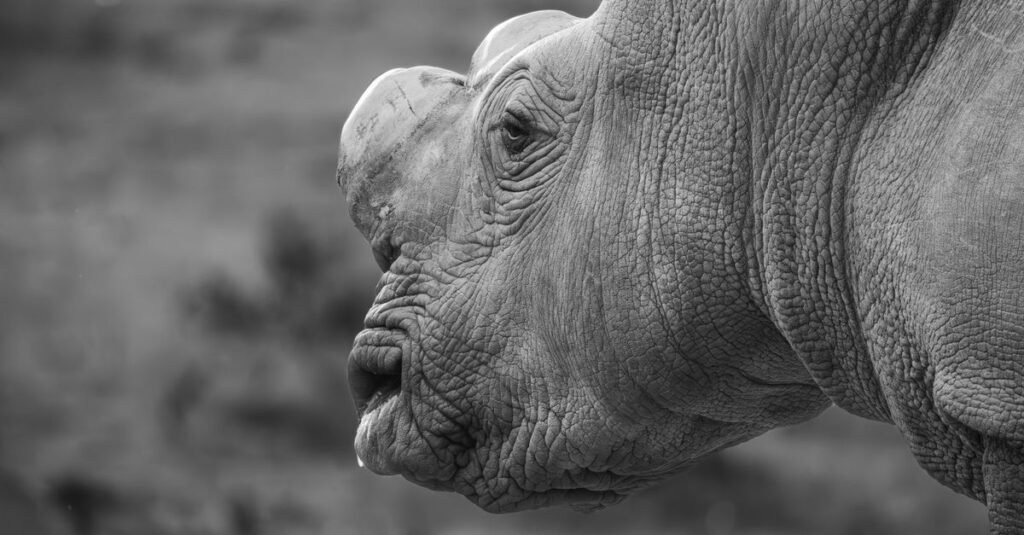
Wildlife trafficking is the illegal capture, trade, smuggling, possession, or sale of wild animals and plants, or products made from them. It covers live animals bound for the exotic pet trade, elephant tusks carved into jewelry, pangolin scales ground into powder, rhino horn sold as a status symbol, and rosewood logs shipped as timber.
Two points are worth pinning down. First, trafficking is not the same as all wildlife trade. Legal, regulated trade in wild species exists and is governed by the Convention on International Trade in Endangered Species of Wild Fauna and Flora (CITES), a treaty with 184 parties, including 183 countries and the European Union. CITES sets the rules, but trafficking is what happens outside that legal framework, often involving species whose trade is banned outright.
Second, the trade is not only about animals. Illegal logging of rosewood and cedar, smuggling of rare orchids and succulents, and trafficking of agarwood all count as wildlife crime, even though they rarely make headlines. When the UNODC analyzed seizure records, more than four-fifths of seizures between 2015 and 2021 involved CITES-listed species, which shows how deeply the illegal trade overlaps with the species the world has formally agreed to protect.
How Big the Illegal Wildlife Trade Really Is
The most comprehensive picture comes from the UNODC World Wildlife Crime Report 2024, released in May 2024. It is the third edition, following versions in 2016 and 2020, and draws on seizure records from 2015 to 2021.
The headline numbers:
- Around 4,000 plant and animal species were affected by trafficking, detected across 162 countries and territories. About 3,250 of those species are listed under CITES.
- Authorities recorded more than 140,000 seizures, totaling roughly 13 million items and about 16,000 tonnes of wildlife products.
- Of all seized animals, 40 percent were species classified as threatened or near-threatened on the IUCN Red List.
That is an enormous documented footprint, and the UNODC is explicit that it is only the visible part. Actual trafficking levels are far greater than recorded seizures, and the agency warns of major gaps in seizure evidence for timber, fisheries, and other large trade sectors. Seizures measure enforcement effort as much as crime, so a seizure spike can mean more trafficking or simply better policing.
One trend deserves attention. The annual number of reported seizures in 2020 and 2021 was roughly half the level of each of the preceding four years. The UNODC lists several possible explanations: pandemic disruption, reduced enforcement, shifts to new trafficking methods, changes in reporting, or a genuine fall in trafficking. The truth is probably a mix.
The Money Behind Wildlife Crime
Estimates of the trade's value vary because the trade itself is hidden. The figure most often cited by international bodies is up to $20 billion a year in criminal proceeds, an estimate from the Zoological Society of London reported by the World Economic Forum. Other analyses put the range between $7 billion and $23 billion annually.
By almost every ranking, wildlife trafficking sits among the world's largest illicit economies, typically placed fourth behind narcotics, human trafficking, and counterfeit goods. That ranking explains who runs the trade. This is not a hobbyist crime. UNODC describes professionally organized, remotely directed criminal groups operating in elephant and tiger poaching, alongside industrial-scale illegal logging and fishing. The same networks that move drugs, weapons, and people also move wildlife, exploiting porous borders, underpaid officials, and inconsistent laws.
Corruption is the grease in the machine. The 2024 report finds that corruption stalls the implementation of wildlife regulations and undermines enforcement across the trade chain. Technology has accelerated the other end: over the past decade, online marketplaces and social media have made it faster and easier for buyers and sellers to connect, letting traffickers reach global markets while staying harder to catch.
There is also a financial crime dimension that rarely gets discussed. Wildlife crime generates proceeds that need laundering, which is why regulators now treat it as a financial crime threat. When governments criminalize wildlife trafficking as a serious crime, they unlock tools like asset seizure and anti-money-laundering investigations that go beyond arresting a poacher in the bush.
The Most Trafficked Species and Products
The UNODC report breaks the trade down by market share, which gives a clearer picture than any single headline species. Among animals, three products dominate:
| Product | Share of animal market | What drives demand |
|---|---|---|
| Rhino horn | 29% | Traditional medicine beliefs, status symbol carvings |
| Pangolin scales | 28% | Traditional medicine (keratin scales), meat as delicacy |
| Elephant ivory | 15% | Carvings, jewelry, ornaments |
| Eels | 5% | Food markets (glass eels for aquaculture) |
| Crocodilians | 5% | Leather goods, meat |
| Parrots and cockatoos | 2% | Exotic pet trade |
| Turtles and tortoises | 2% | Pets, food, traditional medicine |
| Snakes | 2% | Pets, leather, medicine |
| Seahorses | 2% | Traditional medicine, curios |
The plant side of the trade is even more concentrated:
| Product | Share of plant market | What drives demand |
|---|---|---|
| Cedars and other Sapindales | 47% | Timber, furniture, construction |
| Rosewoods | 35% | High-end furniture, musical instruments |
| Agarwood and other Myrtales | 13% | Perfume, incense |
And when researchers count individual seizure events rather than market value, a different pattern appears. Corals account for 16 percent of all seizures, followed by live specimens at 15 percent and animal-derived medicines at 10 percent. By volume of incidents, the trade is full of reef coral, live reptiles and birds stuffed into luggage, and packaged medicines containing animal ingredients.
Pangolins: The World's Most Trafficked Mammal
No animal symbolizes the scale of wildlife trafficking better than the pangolin. These shy, nocturnal, ant-eating mammals are the only mammals completely covered in keratin scales. When threatened, a pangolin rolls into an armored ball. Against a lion, the defense works. Against a human, it makes the animal trivially easy to pick up.
A 2025 CITES report found that more than 530,000 pangolins were seized in anti-trafficking operations between 2016 and 2024, across 75 countries and 178 trade routes. The World Wildlife Fund estimates that over one million pangolins were taken from the wild in the past decade, including animals never intercepted. There are eight pangolin species, four in Africa and four in Asia, and all face a high to extremely high risk of extinction.
The driver is demand for their scales in parts of Asia, based on the unproven belief that they treat a range of ailments in traditional medicine. Pangolin meat is also eaten as a delicacy in some regions, but scales are the main prize. Nigeria has emerged as a major trafficking hotspot, with scales routed through West African ports toward Asian markets. The pangolin's tragedy is partly one of invisibility: it lacks the charisma of elephants and tigers, so its crisis unfolds with far less public attention than its numbers deserve.
The Species Nobody Talks About
Ask someone to name a trafficked species and you will hear elephants, rhinos, and tigers. The UNODC report makes a point of saying that some of the clearest conservation damage from wildlife crime "receives comparatively little attention." The quiet victims include:
Succulent plants and rare orchids. Collectors in wealthy countries drive a brisk illegal trade in unusual plants. Because many of these species live in tiny geographic ranges, a single collecting expedition can wipe out a wild population.
Reptiles. Tortoises, turtles, lizards, and snakes are trafficked alive for the pet trade in large numbers and feature heavily in the 15 percent of seizures made up of live specimens.
Corals. With 16 percent of all seizures, corals are the single most frequently seized commodity group. Harvested for the aquarium trade, jewelry, and ornaments, coral trafficking damages reefs already stressed by warming seas.
Eels and timber. European glass eels are smuggled live to Asia for aquaculture, enormously valuable by weight. And timber trafficking is arguably the largest wildlife crime by volume, yet rosewood and cedar barely register in public discussion despite dominating the illegal plant market.
The pattern is consistent: traffickers follow profit, and profit exists wherever rarity meets demand. Iconic mammals get the campaigns, but the trade quietly strips reefs, forests, and deserts of species most people have never heard of.
Why It Happens: The Drivers of the Trade
Wildlife trafficking persists because demand persists, and demand has deep roots. Enforcement alone cannot end a trade that someone is always willing to pay for.
Traditional medicine. Beliefs about the healing properties of rhino horn, pangolin scales, tiger bone, and seahorses drive a large share of demand, concentrated in parts of Asia. The products have no proven medical efficacy: rhino horn is keratin, the same material as fingernails. Demand-reduction campaigns promoting herbal and synthetic alternatives have shown results where they are sustained and culturally sensitive.
Status and luxury. Ivory carvings, rhino horn cups, exotic leather goods, and rare pets function as displays of wealth. In this segment, rarity is the point: the more endangered the species, the more prestigious the product, which means scarcity raises prices and poaching pressure together.
The exotic pet trade. Parrots, cockatoos, songbirds, reptiles, and small mammals are captured alive for buyers who want unusual pets. Mortality in transit is brutal: for every animal that arrives alive, several may die in suitcases, tubes, and cargo holds.
Food and bushmeat. In some regions, wild meat is a dietary staple; in others, it is a luxury. Eels, turtles, pangolins, and countless other species are trafficked for consumption. Good policy distinguishes subsistence hunting from commercial trafficking, but industrial-scale bushmeat trafficking is unambiguously part of the criminal trade.
Profit with low risk. At the source, poaching can pay far more than available legal work, making recruitment easy for criminal networks. High reward and manageable risk is the economic engine that keeps the trade running.
Routes and Hotspots: Where the Trade Flows
Wildlife trafficking is a global logistics business with recognizable geography. The UNODC found that 44 percent of all shipments recorded between 2015 and 2021 originated in sub-Saharan Africa and South Asia, making these the most common source regions for trafficked wildlife.
Africa is the primary source of ivory, rhino horn, and pangolin scales, with transit hubs in West and East Africa moving products toward Asia. South Asia plays a double role as both source and transit region, and its ports and airports move products onward. China remains the largest destination market for many trafficked products, while the United States is also among the largest buyers. Vietnam and Nigeria function as major transit hubs.
For readers in Pakistan and South Asia, the regional picture is directly relevant. The region's pangolins, freshwater turtles, falcons, and timber species all appear in trafficking flows, and South Asian ports sit on routes connecting African and Southeast Asian source areas to destination markets in East Asia and the Gulf. Stronger port inspections, better customs training in species identification, and closing online marketplaces are interventions that matter as much in Karachi and Lahore as they do in Mombasa or Hanoi.
What Is Being Done to Fight Back
The fight against wildlife trafficking operates on several levels, from village rangers to international treaties.
CITES. The Convention on International Trade in Endangered Species is the backbone of legal wildlife trade regulation. Its appendices list species by threat level, banning commercial trade in the most endangered and strictly regulating trade in others. With 184 parties, it is one of the most widely adopted conservation treaties in existence. Its weakness is enforcement: CITES sets the rules, but national governments must implement them, and capacity varies enormously.
Criminalization. The UNODC reports that 164 UN Member States criminalize wildlife trafficking violations to some degree. More than half impose penalties meeting the UN Convention against Transnational Organized Crime's definition of a serious crime, a maximum penalty of at least four years, unlocking stronger investigative tools and anti-money-laundering measures.
International coordination. The International Consortium on Combating Wildlife Crime (ICCWC) brings together CITES, Interpol, the World Bank, the World Customs Organization, and UNODC to coordinate enforcement, share intelligence, and build capacity. Joint operations have produced major seizures and arrests, and the consortium model recognizes that no single agency or country can dismantle networks spanning continents.
Demand reduction. Some of the most cost-effective interventions target buyers rather than poachers. Campaigns reducing demand for ivory, rhino horn, and pangolin products in key consumer countries have coincided with measurable market shifts. Demand responds to social norms, and norms can change.
Technology and rangers. Drones, camera traps, DNA forensics, and AI-assisted cargo screening are improving detection. But the human front line remains the ranger, who patrols protected areas and confronts armed poachers, often with limited equipment and pay. Supporting rangers through funding, training, and legal protection is one of the most direct ways to reduce poaching at the source.
A Rare Bright Spot: Ivory
Here is a fact that complicates the doom narrative. According to the UNODC, elephant ivory was the only trafficked commodity that had fallen below its 2015 baseline by 2021. The report says recent numbers on elephant ivory and rhino horn trafficking "provide grounds for some optimism."
What worked was a combination of sustained campaigns, market restrictions such as domestic ivory trade bans in key countries, and greater law enforcement focus. The ivory story is not finished: elephants remain under pressure and vigilance is essential. But it shows that coordinated action on both supply (enforcement, bans) and demand (campaigns that made ivory socially unacceptable in key markets) can move the needle. Conservationists now ask whether the ivory playbook can be adapted for pangolins, rosewood, and the other species still in free fall.
What You Can Do
Here is what actually helps:
- Never buy products made from wild animal parts. Ivory, rhino horn, tortoiseshell, exotic leathers, and traditional medicines containing animal ingredients all feed the trade. If a product's origin is unclear, do not buy it.
- Check exotic pets carefully. Verify any reptile, bird, or unusual pet is captive-bred by a reputable breeder. Many "captive-bred" claims are fraudulent.
- Travel responsibly. Avoid attractions that offer photos with captive wild animals, performances by wild animals, or exotic meat on the menu. Tourist demand sustains captive wildlife industries that overlap with trafficking.
- Report suspicious trade. Online marketplaces and social media are major trafficking channels. Most platforms have reporting tools, and wildlife crime NGOs accept tips. A single report can trigger an investigation.
- Support the people on the front lines. Donations to ranger welfare funds, community conservancies, and anti-trafficking organizations translate into patrols, equipment, and intelligence work.
- Talk about the unglamorous species. Pangolins, corals, orchids, and rosewood need public attention as much as elephants do. Sharing their stories builds political will for broader action.
- Vote and advocate for stronger laws. Where wildlife trafficking still carries light penalties, legal reform matters. Support policies that classify it as a serious crime and fund enforcement.
Frequently Asked Questions
What is the most trafficked animal in the world? The pangolin is the most trafficked mammal in the world. A 2025 CITES report recorded more than 530,000 pangolins seized between 2016 and 2024 across 75 countries, and the World Wildlife Fund estimates over one million were taken from the wild in the past decade. Their keratin scales are the main target.
How much is the illegal wildlife trade worth? The most widely cited estimate is up to $20 billion per year in criminal proceeds, from the Zoological Society of London. It is generally ranked as the fourth-largest illicit trade globally, after narcotics, human trafficking, and counterfeit goods.
Which products are most commonly trafficked? By market share, rhino horn (29%), pangolin scales (28%), and elephant ivory (15%) lead the animal trade, while cedars (47%) and rosewoods (35%) dominate the plant trade. By seizure frequency, corals (16%), live specimens (15%), and animal-derived medicines (10%) top the list.
Is wildlife trafficking increasing or decreasing? The picture is mixed. Overall, the UNODC says trafficking has not been substantially reduced over two decades. But elephant ivory is the only commodity that fell below its 2015 baseline by 2021, and rhino horn trafficking shows encouraging signs. Meanwhile, plant trafficking seizures rose sharply in 2020 and 2021. Seizure data also reflects enforcement effort, not just crime levels, so trends must be read carefully.
What is CITES and does it work? CITES is the Convention on International Trade in Endangered Species of Wild Fauna and Flora, a treaty with 184 parties that regulates international trade in listed species. About 81 percent of wildlife seizures between 2015 and 2021 involved CITES-listed species, showing the treaty covers the right targets. Its limitation is implementation, which depends on national enforcement capacity and political will.
How does wildlife trafficking affect ecosystems? Removing species disrupts the systems they support: elephants shape savanna landscapes, pangolins control insect populations, corals build reef habitats. The UNODC notes that illegal trade has played a major role in local or global extinctions of lesser-known species such as succulents, orchids, reptiles, and fish. Beyond ecology, the trade damages livelihoods, tourism economies, and public health through zoonotic disease risk.
What can ordinary people do to help stop wildlife trafficking? Refuse to buy wildlife products, verify that exotic pets are genuinely captive-bred, avoid unethical wildlife tourism, report suspicious online sales, support ranger and community conservation programs, and advocate for stronger wildlife crime laws. Trafficking exists to serve buyers, so demand-side action matters.
The Bottom Line
The facts are stark: 4,000 species affected, 13 million items seized in six years, criminal networks earning billions, and a trade reaching from African savannas to Asian markets to online storefronts everywhere. But the facts also contain a strategy. UNODC data shows which species are hit hardest, which products dominate, where shipments originate, and, in the case of ivory, what success looks like.
Wildlife trafficking is not a force of nature. It is a business, and businesses respond to pressure: enforcement that raises the risk, campaigns that shrink demand, and laws that treat the crime with the seriousness it deserves. The trade adapts quickly, so the response has to adapt faster. Knowing the facts is where that response begins.