What Is Poaching? Causes, Effects and How to Stop It
A rhinoceros is found at dawn with its horn hacked off, left to die. A tiger is snared for its bones, which will be boiled into wine. A pangolin, the world's most trafficked mammal, is stuffed into a sack bound for a distant market. Each of these is poaching: the illegal hunting, capturing, or killing of wild animals. It is one of the oldest crimes against nature and one of the most urgent, driving species toward extinction, funding organized crime, and hollowing out ecosystems.
This article explains what poaching is, what drives it, which animals suffer most, what it does to ecosystems and people, how the world is fighting back, and the picture in Pakistan and South Asia.
Poaching, Defined
Poaching is the illegal hunting, capturing, or killing of wild animals, and, since the 1980s, the term has also covered the illegal harvesting of wild plants. Legally, it means taking game, fish, or plants from private property or from places where such practices are specially reserved or forbidden, or taking them in violation of wildlife laws: out of season, without permits, with banned methods, or of protected species.
The definition matters because not all hunting is poaching. Regulated, legal hunting, managed through quotas and seasons, can be sustainable and even fund conservation. Poaching is defined by illegality: it breaks the rules societies set to keep wildlife populations viable. A villager snaring a duiker out of season, a criminal syndicate moving shipping containers of ivory, and a tourist buying a tortoiseshell bracelet are all links in the same illegal chain, differing in scale but not in kind.
Poaching is also big business. The illegal wildlife trade is consistently ranked among the world's most lucrative transnational crimes, worth billions of dollars annually, and it overlaps with drug trafficking, arms dealing, and money laundering networks. This is not just a conservation problem; it is a security and governance problem.
What Drives Poaching? Four Root Causes
1. Demand for wildlife products. The primary engine. Ivory for carvings, rhino horn for misguided medicine and status symbols, tiger bones and skins, pangolin scales, exotic pets, rare orchids: as long as buyers pay, suppliers will kill. Some demand is traditional, some is newly fashionable, and social media has accelerated both, advertising rare species to global audiences. The economics are brutally efficient: a poacher may earn a few hundred dollars for a rhino horn that will sell for tens of thousands by the time it reaches an end consumer, which means enforcement that only targets the poorest link barely dents the trade. Real progress has come from squeezing demand itself, as when China's 2017 domestic ivory ban, combined with celebrity-led campaigns, measurably cooled one of the world's largest ivory markets.
2. Poverty and lack of opportunity. Around protected areas, people with few income options may poach for bushmeat or for cash from middlemen. A poacher paid a few hundred dollars for a rhino horn may be feeding a family; the horn will sell for tens of thousands further up the chain. This asymmetry is why conservationists insist that enforcement alone cannot solve poaching where poverty drives it. Programs that work, from Namibia's conservancies to Pakistan's markhor villages, pair protection with alternative livelihoods: tourism jobs, sustainable agriculture, and direct payments for living wildlife. A person with a ranger's salary and a stake in the herd does not set snares.
3. Corruption and weak enforcement. Poaching thrives where rangers are underpaid, officials can be bribed, and prosecutions fail. Criminal networks exploit every gap, from forged permits to compromised checkpoints. Strengthening the rule of law is as much an anti-poaching strategy as any patrol.
4. Culture, tradition, and conflict. Some poaching stems from longstanding practices, bushmeat hunting that predates modern wildlife laws, or retaliation: farmers killing predators that take livestock, or elephants that raid crops. Human-wildlife conflict poaching is often less about profit than about anger and loss, which is why compensation schemes and conflict mitigation matter.
The Most Poached Animals on Earth
| Species | Wanted for | Status and trend |
|---|---|---|
| African rhinos | Horn (false medicinal claims, status) | Black rhino fell ~97.6% since 1960; ~27,000 rhinos of all species remain |
| African elephants | Ivory tusks | Poaching crisis peaked around 2011; populations still pressured |
| Tigers | Bones, skins, parts for traditional products | ~5,700 wild; poaching remains top threat |
| Pangolins | Scales (medicine), meat | All 8 species threatened; most trafficked mammal |
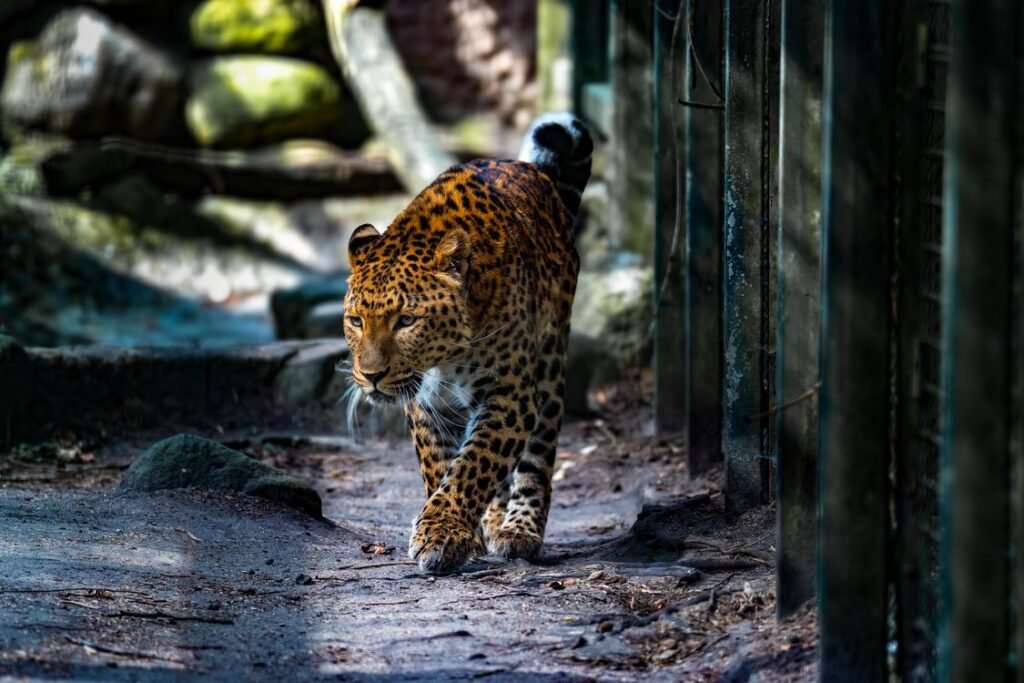
| Leopards | Skins, conflict killings | Declining across much of range |
| Rosewood and rare orchids | Timber, collectors | Plant poaching devastates forests too |
The rhinoceros illustrates the stakes. Early in the 20th century, some 500,000 rhinos roamed Africa and Asia; by 1970 perhaps 70,000 remained, and today fewer than 29,000 survive in the wild. Rhino horn, made of keratin like human fingernails, has no proven medicinal value, yet demand persists, driven by status consumption.
Pangolins deserve special mention as the most heavily trafficked wild mammals on Earth, with hundreds of thousands seized from traffickers over the past decade. These gentle, ant-eating mammals are poached for their scales, used in traditional medicine despite no evidence of efficacy, and for their meat. All eight species, four in Asia and four in Africa, are now threatened, and the trade has shifted from depleted Asian populations to African ones as enforcement tightened in the east, a grim illustration of how poaching pressure migrates.
African elephants suffered their worst modern poaching crisis around 2011, when an estimated tens of thousands were killed annually for ivory at the peak, driven largely by demand in East Asia. The slaughter funded armed groups and destabilized entire regions. Stricter enforcement, ivory market closures, and demand campaigns have reduced the killing since the peak, but elephants remain under pressure wherever protection lapses.
Tigers are poached for nearly every part: bones boiled into tonics and wine, skins as trophies, teeth and claws as talismans. With only around 5,700 left in the wild, every poached tiger is a measurable fraction of the species. Anti-trafficking enforcement across tiger-range countries, from India's Wildlife Crime Control Bureau to cross-border operations in Southeast Asia, has become as important as habitat protection in the tiger's recovery.
Inside the Trade: How Poaching Works
Poaching is rarely a lone hunter with a rifle. Modern wildlife crime runs like a business with a supply chain. At the bottom are the field poachers, often poor locals paid per animal or per kilo. Above them sit middlemen who aggregate products, corrupt officials who wave shipments through, and traffickers who move contraband along the same routes used for drugs and weapons. At the top are the buyers: collectors, consumers of traditional products, and investors who hoard ivory or rhino horn as speculative assets.
The methods are as varied as the targets. Snares, cheap wire loops set on game trails, kill indiscriminately and are the scourge of African and Asian forests; a single poacher may set hundreds. Poison, often agricultural pesticide laced into carcasses, kills elephants for ivory and, collaterally, the vultures and lions that feed after. High-tech poachers use night-vision scopes, silenced rifles, and even helicopters, while cyber-enabled trade happens on social media and messaging apps, where a pangolin can be ordered like a parcel. Understanding this structure matters because it shows why arresting a single poacher barely dents the trade: the network recruits replacements. Effective crackdowns target the middlemen, the money, and the demand.
Effects: What Poaching Does to Ecosystems and People
The direct effect is population collapse, but the damage radiates outward. Removing elephants, the architects of savannas, changes vegetation structure for every species beneath them: without elephants knocking down trees and dispersing seeds, woodlands thicken and grasslands shrink. Removing top predators releases prey populations that overgraze, degrading habitat for everyone else. Removing vultures, often deliberately poisoned at poached elephant carcasses to keep the kill site hidden from rangers' aerial patrols, leaves disease to spread; South Asia's vulture crash showed how the loss of nature's cleanup crew triggers public health crises. Poachers' snares are indiscriminate, maiming whatever steps in them, from antelope to gorillas, and poisons set for one target kill scavengers, pets, and sometimes people. Ecologists call these cascading failures, and they mean poaching's true death toll is always larger than the body count of target animals.
There are human costs too. Ranger work is among the world's most dangerous conservation jobs, with rangers killed by poachers every year. Communities lose tourism income as wildlife disappears. And the criminal networks enriched by wildlife trafficking corrode governance and fund other crimes. Poaching is an ecological crisis wearing an economic and security crisis as camouflage.
How the World Fights Back
Law enforcement. Better-trained, better-equipped ranger forces, intelligence-led operations, and cross-border cooperation target trafficking networks rather than just foot soldiers. Penalties have stiffened in many countries, and financial investigation tools now follow the money.
Technology. Camera traps, drones, GPS collars, acoustic sensors that detect gunshots and chainsaws, and DNA forensics that trace seized ivory to specific elephant populations have transformed anti-poaching from reactive patrols to predictive protection. Machine learning now scans camera-trap images in real time, alerting rangers to human intruders within minutes rather than weeks. Satellite monitoring tracks deforestation and even fishing vessels that go dark to hide illegal activity. The arms race continues, poachers use encrypted apps and night vision too, but technology has shifted the balance toward the protectors in well-funded reserves.
Community-based conservation. Namibia's communal conservancies, where communities manage wildlife and benefit from tourism and regulated hunting, have driven poaching down while wildlife numbers rose. Pakistan's markhor program works on the same principle. When wildlife pays, communities protect it.
Demand reduction. Campaigns in major consumer markets, celebrity ambassadors, and social media pressure have measurably reduced demand for products like shark fin and ivory in key markets. Legal market closures, such as China's 2017 domestic ivory ban, removed the cover under which illegal ivory was laundered.
Protected areas and corridors. Well-managed parks remain the strongholds, and wildlife corridors keep populations connected so poaching in one spot cannot wipe out an isolated group.
Poaching in Pakistan and South Asia
South Asia faces intense poaching pressure. In Pakistan, threats include the trapping of falcons (notably saker falcons for the Gulf falconry trade), the poaching of freshwater turtles for meat and the pet trade, illegal hunting of migratory birds such as the houbara bustard, and the killing of leopards and bears in human-wildlife conflict. The Indus dolphin faces entanglement in fishing gear, while pangolins are trafficked across borders.
Responses are growing: provincial wildlife departments run anti-poaching patrols, community conservancies in the north have sharply reduced markhor and ibex poaching, and Pakistan's falcon trapping is regulated through a permit system tied to conservation funding, though enforcement remains contested. The houbara bustard, a migratory bird prized by Gulf falconers, draws intense seasonal hunting pressure to Balochistan's deserts, making it one of the country's most politically sensitive wildlife issues. Freshwater turtles, smuggled for meat and the pet trade, have prompted dedicated crackdowns in Punjab and Sindh in recent years.
Across the region, India's tiger reserves deploy some of the world's most intensive protection, with dedicated tiger protection forces and a national wildlife crime bureau, while Nepal's community forestry and anti-poaching units have made it a rare bright spot, nearly tripling its tigers. Bangladesh battles poaching in the Sundarbans, where tiger parts and deer meat feed illegal markets. The pattern holds across all three countries: where enforcement is real and communities benefit, poaching falls; where either is missing, it persists.
Frequently Asked Questions
What is poaching in simple terms?
Poaching is the illegal hunting, capturing, or killing of wild animals, or the illegal harvesting of wild plants. What makes it poaching, rather than hunting, is that it breaks wildlife laws.
Why do people poach?
Mainly for money: the illegal wildlife trade pays for ivory, horns, skins, and exotic pets. Poverty, weak enforcement, corruption, cultural traditions, and human-wildlife conflict are the other major drivers.
Which animal is poached the most?
Pangolins are the most heavily trafficked wild mammals, with hundreds of thousands taken for their scales and meat. Rhinos, elephants, and tigers are the most high-profile victims.
Is poaching illegal everywhere?
Poaching is by definition illegal, though exactly which species are protected and what penalties apply varies by country. International trade in endangered species is regulated by CITES, to which nearly every country belongs.
How can I help stop poaching?
Never buy illegal wildlife products, support anti-poaching organizations and well-managed parks, report wildlife crime to authorities, and back policies that fund enforcement and community conservation. Demand reduction starts with individual refusal.
Does legal hunting reduce poaching?
It can, when tightly regulated and when revenue flows to conservation and communities, as with Pakistan's markhor program or Namibia's conservancies. But legal channels can also mask illegal trade if oversight is weak, so regulation quality is everything.
What is the difference between poaching and hunting?
Hunting follows the law: seasons, quotas, permits, protected species lists. Poaching breaks it. A licensed deer hunter in season is hunting; the same person spotlighting deer at night out of season is poaching. The line is legal, not moral, though ethics and sustainability shape where societies draw it.
Are plants poached too?
Yes. Since the 1980s the term has covered illegal harvesting of wild plants: rosewood logged from protected forests, rare orchids and cycads dug up for collectors, and wild ginseng stripped from mountainsides. Plant poaching can wipe out entire local populations of slow-growing species, and it receives far less enforcement attention than animal poaching.
Conclusion
Poaching is theft: from ecosystems, from future generations, and from the communities that live alongside wildlife. Its drivers, demand, poverty, corruption, and conflict, are human problems with human solutions, and the solutions exist. Rangers with real backing, communities with real stakes, consumers who refuse, and laws with real teeth have all been shown to work. The rhino at dawn, the tiger in the snare, the pangolin in the sack: these are not inevitable tragedies. They are the results of choices, and choices can change. Every poaching chain has a weak link, a buyer who could refuse, a community that could be offered a better living, an official who could stay honest, a consumer who could walk away. Break enough links, and the chain fails. That is how poaching ends: not with a single victory, but with a thousand refusals. The wild cannot speak for itself in courtrooms and markets, so the refusal has to come from us, repeated until the trade is no longer worth the risk to anyone who touches it. Poaching began as a crime of opportunity; it will end as a crime without opportunity, starved of buyers, blocked by brave local communities, and beaten by determined people everywhere who finally decided, once and for all, that the living wild was worth far more alive than dead, forever and always, everywhere on Earth.