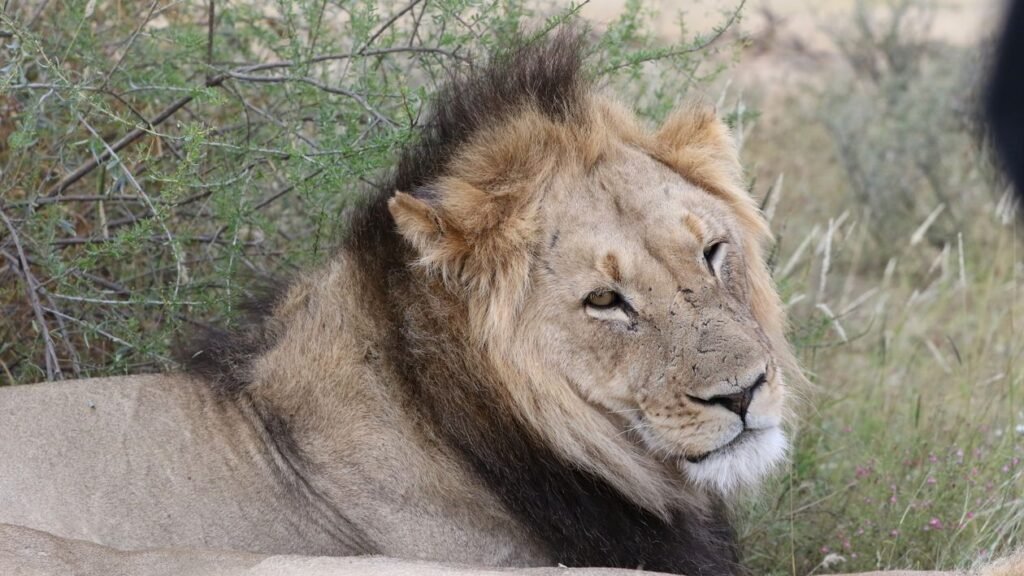
Inside a Lion Pride: Roles, Ranks and Family Bonds
Of all the world's big cats, only one lives a genuinely social life. Tigers walk their territories alone. Leopards meet only to mate. Cheetahs, at most, form small bachelor bands or a mother with cubs. Lions are the exception. They rest shoulder to shoulder in the shade, hunt in coordinated teams, raise their cubs communally, and defend shared ground as a family. Understanding the lion pride social structure means understanding how a predator famous for solitary power became nature's most cooperative cat.
A pride is not a random gathering. It is a family business with a matriarchal core, a rotating cast of male guardians, and a daily rhythm shaped by hunger, heat, and rivalry. What follows is the science of how it all works, drawn from decades of field research in places like Tanzania's Serengeti, where ecologists have tracked individual prides for longer than many human careers.
What a Lion Pride Actually Is
A lion pride is a social group built around related females. The typical African pride contains one or more adult males, a group of related lionesses, and their cubs and adolescents. Numbers vary widely with habitat and prey. A modest pride might hold five or six animals; a large one can exceed thirty. Prides of up to forty lions have been recorded, though such gatherings are exceptional.
The word "pride" itself is one of the oldest collective nouns in English, appearing in medieval hunting language. It fits. There is something regal about the way a pride holds its ground, and the name stuck because these animals genuinely behave like a court: the females form the permanent household, while the males function more like temporary kings whose reigns end when a stronger rival arrives.
Every pride member knows its place, though the structure is subtler than the popular image of an all-powerful "king." In reality, the most stable power in a pride belongs to the females, who often spend their entire lives in the group they were born into.
The Lionesses: The Matriarchal Heart of the Pride
The core of every African lion pride is a sisterhood. Lionesses are typically mothers, daughters, sisters, and cousins who remain together from birth to death. This permanence makes prides fundamentally matriarchal. The males come and go, but the female line endures.
Because the females are closely related, a pride is one large extended family, and kinship shapes almost everything they do. Related lionesses hunt together, rest together, and nurse one another's cubs. Field researchers have found that females usually stay in their maternal pride for life, though on rare occasions a female may be expelled.
There is no single "queen" issuing orders. The lioness social world runs more on seniority and experience than on rigid rank. Older, experienced females often guide hunts and decide when the pride moves, because they have learned the terrain and the habits of prey over many seasons. Cooperation works because every lioness benefits: hunting in a group brings down larger prey, and a larger group holds better territory, which feeds everyone.
The bond between lionesses shows in small daily rituals. Pride members greet one another by rubbing heads and flanks, a behavior that reinforces social ties. They groom each other, sleep in contact, and synchronize their lives in ways solitary cats never do. When you see photographs of lions piled together in the shade, you are looking at a family that has chosen, over millions of years of evolution, that together is safer than alone.
The Males: Coalition Brothers and Their Brief Reigns
If the females are the permanent residents, the males are the hired security with an expiration date. Male cubs stay in their birth pride for roughly their first two to three years. Then, as they approach maturity, they leave, either pushed out by the resident males or departing on their own. What follows is a wandering phase of two years or more as nomads, during which many young males die.
Survival favors teamwork here too. Male lions reared together usually form coalitions around age two or three, most often with brothers or cousins, and set out to conquer prides of their own. A coalition of brothers is far more likely to defeat a resident male than a lone challenger. Some coalitions grow large, and groups of up to five males have been seen holding a pride together, though such arrangements tend to be temporary because of internal tension and pressure from outside rivals.
A successful takeover usually happens when the males are around five years old, in their physical prime. Once in charge, their tenure is short. Males are in their prime from roughly age five to ten, and they rarely remain part of a pride for more than three to five years before being challenged and replaced by younger rivals. Males that lose their pride often become nomads again, and some remain nomads for life, rarely reproducing because fertile females are well guarded by pride members.
The male's job description is narrow but vital: patrol the territory, advertise ownership with scent marks and roaring, and fight off rival males and other threats such as hyena clans. A male lion's roar carries for kilometers across the savanna, warning intruders that the ground is taken.
Pride Roles at a Glance
| Role | Main responsibilities | Key traits |
|---|---|---|
| Adult lionesses | Most hunting, cub rearing, territory knowledge | Related for life, cooperative, experienced hunters |
| Resident males | Territory defense, mating, deterring rivals | Often a coalition of brothers, tenure of 3 to 5 years |
| Cubs | Learning through play, staying close to mothers | Born in synchronized litters, communally nursed |
| Subadults | Practicing hunts, testing social rank | Males leave at 2 to 3 years; females usually stay |
| Nomad males | Challenging prides, surviving independently | Often skilled hunters of smaller, faster prey |
Why Lions Live in Groups: The Turf-War Hypothesis
For years, the popular explanation for pride life was simple: lions group up to hunt together. It sounds logical, but a landmark study suggests the real reason is darker and more interesting. Ecologists Anna Mosser and Craig Packer analyzed 38 years of behavioral data from 46 lion prides in Tanzania's Serengeti National Park, and their conclusion, published in the journal Animal Behaviour, was that prides form primarily to defend territory against other lions.
The evidence was striking. Larger prides consistently gained access to better territory, often the rich hunting grounds near river confluences where prey gathers. They were better at holding disputed ground and seizing higher-quality land. Females in bigger groups produced more cubs and were less likely to be injured or killed. In short, group living paid off in the currency that matters most: safety and offspring.
Packer described the dynamic with a memorable comparison: lion prides operate like rival gangs competing for turf, where the bigger group controls the best areas. The study also uncovered something startling: males sometimes killed females from neighboring prides, apparently to weaken rival groups and shift the balance of power. Lions, it turns out, evolved to dominate the savanna rather than share it.
This does not mean cooperative hunting is unimportant. It clearly helps. But the research reframes the pride as first and foremost a defensive alliance, a family fortress in a landscape full of competitors. Hunting together is one of the benefits of the fortress, not necessarily the reason it was built.
Teamwork on the Hunt
Lionesses are the pride's primary hunters, and at the Smithsonian's National Zoo, researchers note that females perform more than 80 percent of the hunting in typical prides. Their technique is patience followed by explosion. Lions are ambush predators with poor stamina, so they stalk slowly, using grass and terrain for cover, then close the final distance in short bursts of speed. Because so many of their prey animals, from zebras to wildebeest, can outrun a single lion over distance, teamwork makes the difference.
Cooperative hunts follow recognizable patterns. Some lionesses act as drivers, moving openly to push a herd toward companions waiting in ambush. Others circle wide to cut off escape routes. The group usually singles out one animal, often a young, weak, or separated individual, and several lionesses converge on it. Once the prey is down, the pride gathers to feed, and the meal is rarely peaceful: lions squabble over the carcass, with cubs at the bottom of the pecking order.
Male lions generally stay out of the hunt. They are large, dark-maned, and poorly camouflaged, and their bulk makes stealth difficult. But the "lazy male" stereotype is unfair. In smaller prides, males hunt more actively, and nomadic males, forced to feed themselves, become skilled hunters of small, swift game. Lions are also accomplished scavengers and will drive hyenas or wild dogs off their kills.
Hunting success shapes the pride's whole calendar. After a large kill, such as a buffalo or giraffe, the pride may feed for days and then rest through the heat, sometimes sleeping twenty hours out of twenty-four. Lions are most active in the cooler hours of early morning and evening, though they will hunt opportunistically at any time.
Raising Cubs Together: The Creche System
Few things illustrate the lion pride social structure better than the way cubs are raised. Lionesses often synchronize their reproductive cycles, so several females give birth within weeks of one another. The result is a nursery of same-aged cubs raised communally, a system biologists call alloparenting. Mothers nurse one another's cubs, groom them, guard them, and teach them through play.
This shared care has real advantages. More adults watching means better protection from predators such as hyenas and leopards. Communal nursing gives cubs access to more milk. And play among same-aged cubs, all that pouncing, wrestling, and mock stalking, is serious training for adult life.
The system has a shadow side, and it arrives with new males. When a coalition takes over a pride, the incoming males often kill the cubs fathered by their predecessors. This infanticide is brutal but strategic: a lioness nursing cubs will not come into breeding condition, so eliminating the cubs brings females back into estrus sooner, allowing the new males to father offspring within their short tenure. Lionesses with older cubs sometimes defend them fiercely, and cooperating females stand a better chance of protecting their young than solitary mothers. But cub mortality in lions is naturally high, and takeovers make it higher.
Cubs that survive grow up fast by big cat standards. They depend on their mothers and the pride's females for food and protection, gradually taking on larger roles. Female cubs typically stay, inheriting their place in the sisterhood. Male cubs, at two to three years old, must leave and begin the dangerous journey toward one day challenging for a pride of their own.
How a Pride Talks: Roars, Rubs, and Scent Marks
A pride spread across kilometers of savanna needs long-distance communication, and the lion's roar is one of the most powerful tools in nature. Both males and females roar, but the male's deeper call advertises his presence and his claim to the territory. Roaring is often a group activity at dusk or dawn, a chorus that tells every neighbor exactly who holds the ground.
Up close, communication is tactile and chemical. Head rubbing, mutual grooming, and sleeping in piles maintain the social glue of the pride. Scent marking, especially urine spraying by males along territory boundaries, lays down an invisible fence.
The Split-and-Reunite Rhythm of Pride Life
A pride is not always found in one place. Researchers describe lion society as fission-fusion: the pride regularly splits into smaller subgroups that hunt, rest, and travel separately for days or weeks, then reunites. A few lionesses might take the cubs to a shady drainage line while the males patrol a distant boundary; later, the whole group converges on a fresh kill or a water source.
This flexibility is part of what makes the pride system work across seasons. When prey is scattered, small groups hunt more efficiently. When a big carcass or a territorial threat appears, numbers matter, and the pride comes back together. The social bonds, maintained through greeting rituals and shared history, hold the structure together even when the animals are apart.
A Different Pattern: The Asiatic Lions of Gir
Most of what we know about pride life comes from African lions, but the species has another surviving population with a strikingly different social arrangement. The Asiatic lion, found only in and around the Gir Forest of western India, lives in gender-separated groups. Males associate in their own coalitions and females in theirs, and the sexes come together mainly for mating.
This difference is a reminder that the lion pride social structure is not fixed by biology alone. Habitat, prey, and history shape it. The Gir lions live in denser forest with different prey and far less open ground for the grand territorial battles of the Serengeti. Their arrangement shows how flexible lion society can be, and it makes the single remaining population of Asiatic lions, listed as endangered, especially precious to science.
When Pride Life Breaks Down
The pride system evolved for a connected savanna with abundant prey and room to roam. That world is shrinking. The lion is listed as Vulnerable on the IUCN Red List, a status it has held since 1996, after African populations declined by roughly 43 percent since the early 1990s. Conservation groups estimate that only about 20,000 lions remain in the wild, and the trend is still downward.
The threats strike directly at pride structure. Habitat loss fragments prides and cuts off the dispersal routes young males need. Conflict with livestock farmers leads to retaliatory killings that can wipe out the resident males of a pride overnight, triggering takeovers, infanticide, and collapsed cub survival. Prey depletion from poaching leaves prides hungry and forces them into riskier encounters near human settlements. Disease outbreaks can sweep through a social group far faster than through solitary animals.
Yet the same sociality that spreads disease also helps recovery. A stable, well-protected pride with experienced lionesses can raise cubs successfully year after year. Where prides are given space, prey, and tolerance, they do what they have always done: hold their ground, hunt together, and raise the next generation of the savanna's most social cat.
Frequently Asked Questions
How many lions are in a pride?
It varies with habitat and prey, but a typical African lion pride holds around two to three adult males, five to ten adult females, and their cubs. Small prides may have fewer than ten members, while the largest recorded prides have reached about forty lions. Research in the Serengeti has documented prides ranging from a single female to more than twenty females with up to nine males.
Do male lions hunt, or is it only the females?
Lionesses do the great majority of the hunting, more than 80 percent in typical prides, because they are smaller, faster, and better camouflaged than the big-maned males. But males are not helpless. In smaller prides they join hunts more often, and nomadic males with no pride to feed them become skilled hunters of smaller, swifter prey. Both sexes also scavenge and steal kills from hyenas and wild dogs.
What happens when new males take over a pride?
A coalition of young males challenges and defeats the resident males, driving them out or killing them. The new males then often kill the existing cubs, which brings the lionesses back into breeding condition sooner so the newcomers can father their own offspring within their short tenure. It is one of the harshest realities of lion society, and a major reason cub mortality is high.
Why are lions the only truly social big cats?
The leading scientific explanation is territory defense. Research on Serengeti lions showed that larger prides win and hold better territory, produce more cubs, and suffer fewer injuries than smaller groups or loners. Group living pays off most in competition with other lions, so natural selection favored the cooperative, matriarchal pride system, while other big cats, hunting in forests or at night, did better alone.
How long does a lion stay in its pride?
Lionesses usually stay in their birth pride for life, forming the permanent core of the group. Male cubs leave at about two to three years old, spend a few years as nomads, and if successful, hold a pride of their own from around age five. A resident male's tenure typically lasts only three to five years before younger rivals replace him.
Conclusion
The lion pride social structure is a masterpiece of compromise: a permanent sisterhood that hunts and raises young together, guarded by males whose reigns are brilliant but brief, all bound by communication, ritual, and the shared defense of home ground. It is the only system of its kind among big cats, shaped by the open savanna and the endless competition for it.
That system is also fragile. As habitats shrink and prides fragment, the ancient balance of lioness cooperation and male turnover breaks down. Protecting lions means protecting not just individual animals but the social fabric they depend on: the territory a pride needs, the prey it hunts, and the tolerance of the people who live alongside it. Keep the pride intact, and the savanna keeps its most social predator.